Tube Expanders Explained: Five-Roll, Tapered, Long-Reach, Flaring
A practical guide to tube expanders: five-roll, tapered TR, food-industry AT, long-reach LH for intermediate tubesheets, and J flaring and beading expanders.
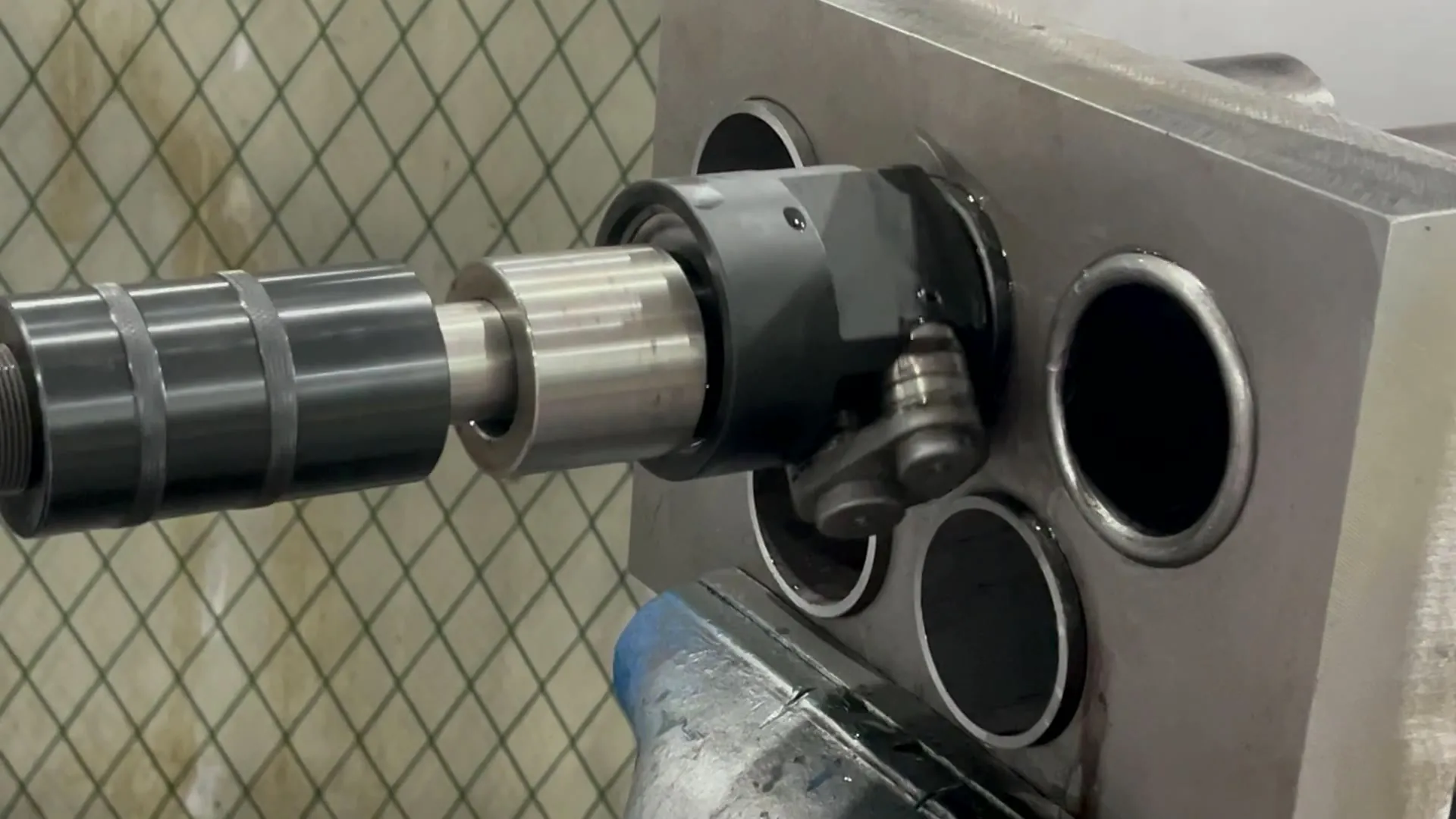
The tube roller supplies torque; the tube expander is what actually works the tube into the tubesheet hole. Choosing the wrong expander — wrong length, wrong roll type, wrong reach — causes as many joint problems as a wrong torque setting. This guide explains how a roller expander works and when to use each of Lanbo's main expander types.
How a roller tube expander works
A roller expander has three main parts:
- Cage (frame) — holds the rolls in slots and sets the rolling length. A stop or collar on the cage controls how deep the expander enters the tube.
- Rolls — hardened rollers that run on the inside of the tube.
- Mandrel — a tapered pin driven by the tube roller. As it turns and feeds forward, it pushes the rolls outward and the tube wall is thinned and pressed against the hole.
The tube roller stops when the set torque is reached. That torque is set by trial rolling for the tube material, OD, wall and tubesheet against the required wall reduction; there is no universal value. The expander must match the tube ID, the tubesheet thickness (rolling length) and the access to the joint.
Five-roll expanders
Five-roll expanders spread the rolling load over five contact lines instead of fewer. This is used where an even, smooth bore and a uniform expansion around the circumference are wanted, for example in thin-wall or soft tubes.
Food industry: AT Series
The AT Series five-roll expanders for the food industry cover tube ID 8–50 mm and tube OD 9.5–50.8 mm. They are intended for heat exchangers in food processing, where the inside finish of the tube matters.
Tapered expansion before welding: TR Series
The TR Series five-roll tapered expanders produce a conical expansion of the tube end before tube-to-tubesheet welding. Applications include condensers, heat exchangers and nuclear plant condensers. A light conical expansion closes the gap at the tube end before welding; the final strength expansion is then done to the procedure.
Long-reach expanders for intermediate tubesheets: LH Series
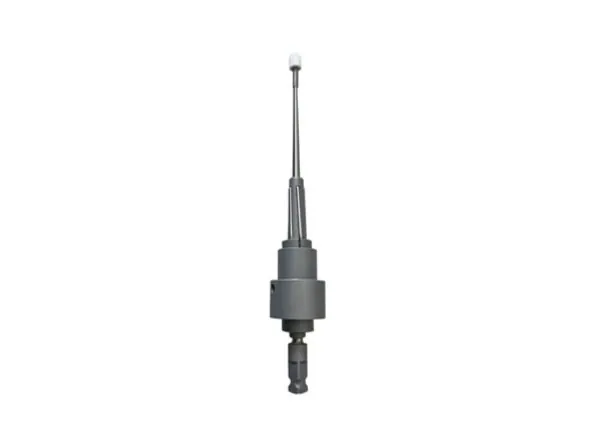
Some exchangers and feedwater heaters have intermediate tubesheets or support plates where tubes must be rolled deep inside the bundle. The LH Series expander has a maximum reach of 5 m for rolling at intermediate tubesheets and support plates.
Two practical points for long-reach rolling:
- Measure the position of each intermediate tubesheet and mark the expander extension so the rolled zone falls inside the plate thickness.
- Check the result. A tube ID gauge for rolled joints takes three-point measurements of tube ID after rolling at intermediate tubesheets, for φ19 and φ25 mm tubes.
Long drive trains add friction between the roller and the expander. The set torque for long-reach rolling should be confirmed by trial rolling with the same extension length used on the job.
Combination flaring and beading: J Series
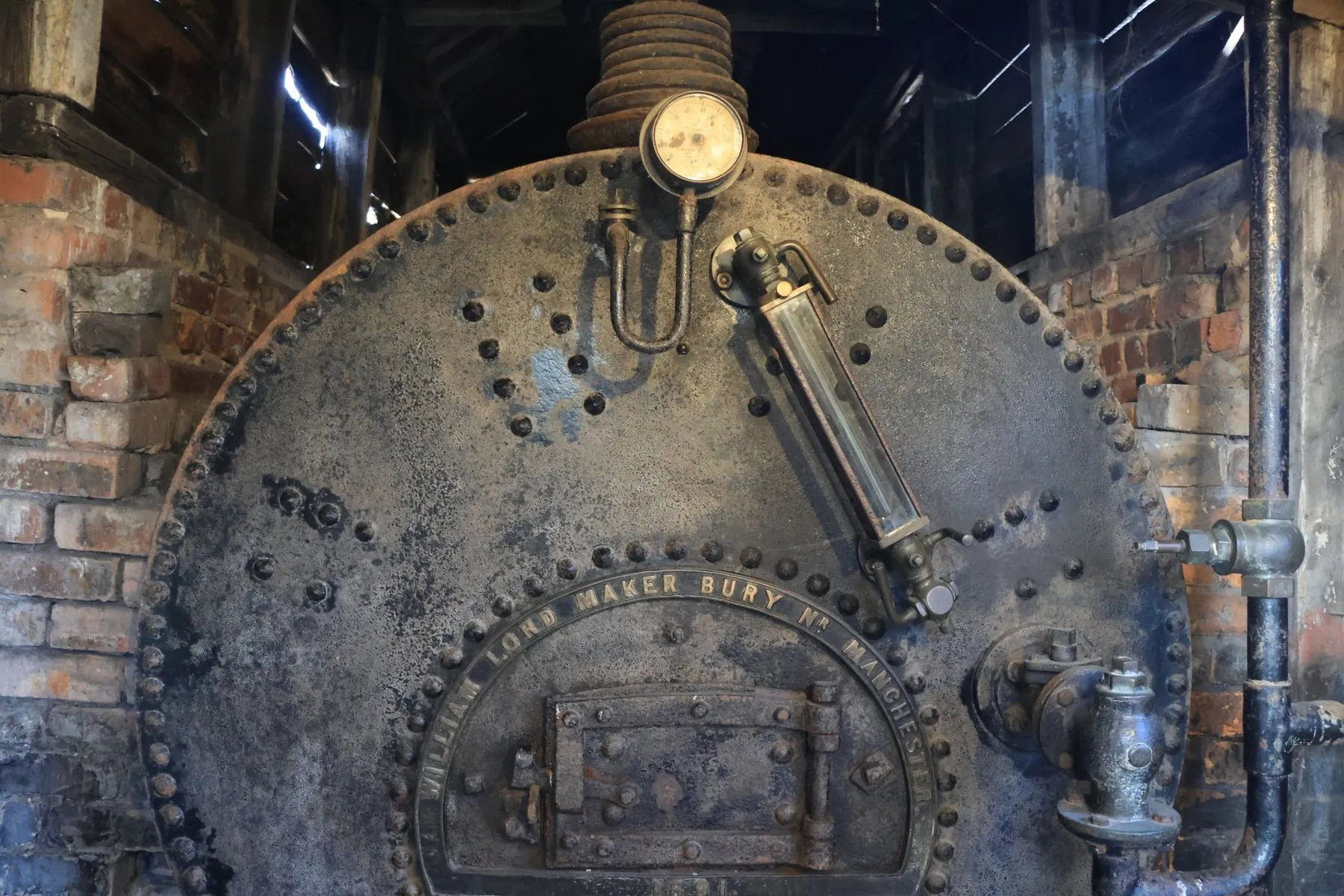
Fire-tube boilers usually need the tube end rolled and then flared or beaded over the tubesheet. The J Series combination flaring and beading expanders roll and flare in one operation for fire-tube boiler building and retubing, covering tube OD 38.1–76.2 mm (1-1/2"–3"). For flaring-only work, Lanbo also makes FC-1 flaring tools.
Other expander series
Lanbo also makes the A, A5, F, H, H5, P and PH expander series for general condenser and heat exchanger work. Send us the tube data and we will recommend the matching series and size.
Matching expander and roller
The expander and roller work as a pair. Small expanders run on the SR Series servo tube rolling system (0.2–77.9 N·m) for constant torque and per-joint records; larger tubes need the XR Series (5–300 N·m) or an electric roller with suitable torque. Check the drive connection (square drive or adapter) when ordering.
Lanbo tools for this job
- AT Series Five-Roll Expanders — food-industry heat exchangers
- TR Series Five-Roll Tapered Expanders — conical expansion before welding
- LH Series Expander — reach to 5 m for intermediate tubesheets
- J Series Combination Flaring and Beading Expanders — fire-tube boilers
- Tube ID Gauge for Rolled Joints — checks rolled tube ID
To get the right expander, send us the tube material, tube OD × wall (or BWG), tubesheet thickness, the depth of any intermediate tubesheets, and the roller you plan to use. Request a quote.
FAQ
What information is needed to select a tube expander?
Tube material, tube OD and wall thickness, tubesheet thickness, whether the joint is at the front tubesheet or an intermediate tubesheet, whether flaring or beading is needed, and the drive of the tube roller.
What is a tapered expander used for?
The TR Series produces a conical expansion at the tube end before tube-to-tubesheet welding, used on condensers, heat exchangers and nuclear plant condensers.
How deep can an expander roll inside a bundle?
The LH Series expander reaches up to 5 m for rolling at intermediate tubesheets and support plates.
Which expander is used for fire-tube boiler tubes?
The J Series combination flaring and beading expanders, for tube OD 38.1–76.2 mm (1-1/2"–3"), used in fire-tube boiler building and retubing.